

You have a vision, you have your mission, you may even have your website and events established. But how do you translate all of the good stuff you’re doing online in a consistent way to continue attracting donors, volunteers, or clients?
In almost all of the jobs and clients I’ve had, content strategy was a big piece of the marketing and communications puzzle. But starting a content strategy, especially from scratch, is daunting. However, through intentional planning and finding the right channels to reach your audiences, any organization can create a strategy that can scale sustainably.
Defining Your Target Audience
Recognizing your target audience is a key first step in creating your strategy. Determining what channels you want to utilize in your strategy relies on who your target audience is. Traits like age, gender, income, education, location, occupation, and interests can all play a role in determining what content strategy would be most effective.
Figuring out who your audience is can be challenging in itself, however, many websites and social media sites have ways you can get a breakdown of who is reaching your content. Surveying existing donors, volunteers, and email subscribers can also be a fantastic tool when determining who your audience is.

Finding your audience will help you narrow down what tone you should use, what channels you should pursue, and the call to action of your communications. For example, I had one client whose target audience was parents of the LA area. The content strategy made for that organization was vastly different to the organization I worked with operating in New Mexico whose target audience were local farmers. Yes, there was some overlap, however, engaging each group and taking their local cultures into account resulted in very different strategies.
Determining the Purpose–or Purposes– of Your Content
You may be wanting to create your strategy to fit different objectives. From attracting volunteers and donors to celebrating recent events or accomplishments, knowing the reason you’re creating content is vital when developing a content strategy. Some content purposes may include:
Attracting Donors
Finding Volunteers
Community Outreach
Informing the Public
Brand Awareness
Persuading to take an action
You don’t have to have only one purpose for your entire strategy, rather you should have a mix. For example, if your goal is to inform the public, you may leverage social media which could reach many. Meanwhile, if you’re finding volunteers or encouraging participation in an upcoming event, you may distribute content through email.
Establishing Your Channels
Your channels are the vehicles for your content and help see your strategy through execution. By using a mix of channels based on the purpose of your content, you can reach the audiences you need.
Channels include:
Social Media
Magazines
Publications
Websites
Infographics
Podcasts
Videos
Reports
Press Releases
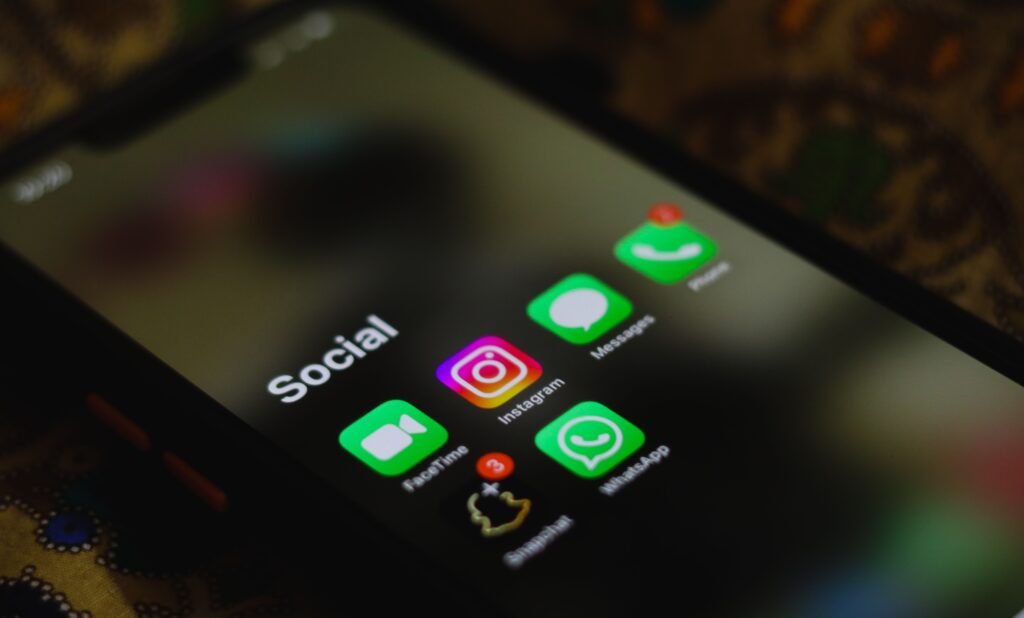
The more channels you add to your strategy, the more you and your team have to manage, so strategically choosing where you show up and how you show up is vital to not only make your strategy effective, but sustainable for yourself too.
Creating Your Framework
After establishing your audience, purpose(s), and channels, it’s important to have a frank conversation with yourself and your team. Content creation can take a good deal of time and effort, especially if you’re working with long-form content or assets that are graphic-heavy. As you create your strategy, be clear of what content is your top priority, how frequently you want or need to release content, and what resources you need to create that content.
When I’m working with clients, I’ve found that creating a content mix using email newsletters and social media are a great starting point. To make the strategy sustainable, I first look at what the organization is already doing. If your non-profit engages volunteers weekly, there may be potential to do a weekly highlight on social media recognizing those volunteers and encouraging others to volunteer themselves. Or perhaps your organization hosts a monthly podcast that can be clipped and posted throughout the month to keep the momentum going. Or maybe you hosted an informative event that you could recap on your website as a blog.
This is really where you can have a lot of fun and get creative. As you start looking at what you’re already doing, keep in mind what you can repurpose into content. Once you have an idea of what you can use as content, you can then reexamine your resources and see what else you can do to create more.
When you determine your bandwidth, you can be empowered to start planning and scheduling posts, emails, and blogs that align with your priorities while also promoting consistency.
Resources That Will Help You
As you dive into your content strategy, there are a few tools that will boost your journey, especially if you’re starting from scratch. Over the years, I’ve used the following:
Google Analytics to find my audience
SurveyMonkey to survey my audience
Canva to create infographics, reports, and social media posts
Excel or Google Sheets to create a content calendar containing dates, purposes, audiences, owners, content, and assets.
Though creating a content strategy sounds like a big lift, especially at first, being intentional by establishing your audience, purpose, and framework are essential to create a scalable and consistent plan that will help your organization make an impact.
This article was created without the help of AI.
Need assistance creating your content strategy? Reach out now!